
Are Your Gums Pulling Away From Your Teeth? What You Need to Know About Gum Recession
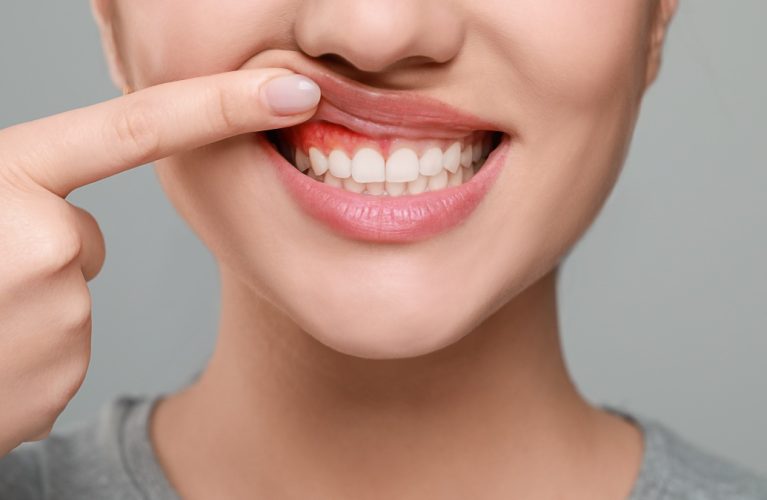
You’re brushing your teeth one morning when you notice something different. Your teeth look longer than they used to. Maybe you’ve experienced a sharp twinge when drinking cold water or eating ice cream. Or perhaps you’ve spotted a yellowish area near the gumline that wasn’t there before. These are all telltale signs of gum recession, a common condition that affects millions of adults—and one that shouldn’t be ignored.
At Kennestone Dental Care Center, Dr. Angela Ojibway and Dr. Sarah Buffington regularly help Kennesaw patients understand and address gum recession before it leads to more serious complications. The good news? When caught early, receding gums can often be managed effectively, and in many cases, the damage can be repaired.
What Exactly Is Gum Recession?
Gum recession occurs when the gum tissue surrounding your teeth gradually pulls back or wears away, exposing more of the tooth or even the tooth’s root. This process usually happens so slowly that many people don’t realize it’s occurring until they experience symptoms or their dentist points it out during a checkup.
Healthy gum tissue fits snugly around each tooth like a turtleneck sweater, protecting the sensitive root structure beneath. When gums recede, they create pockets between the teeth and gumline where harmful bacteria can accumulate. Without treatment, this can lead to damage of the supporting bone and tissue, potentially resulting in tooth loss.
Warning Signs You Shouldn’t Ignore
Gum recession often develops gradually, which is why regular dental checkups are so valuable for early detection. However, there are several signs you can watch for at home:
- Tooth Sensitivity: One of the earliest and most common symptoms is increased sensitivity to hot, cold, sweet, or acidic foods and beverages. When the root surface becomes exposed, it lacks the protective enamel that covers the crown of your tooth, making it vulnerable to temperature and chemical stimuli.
- Teeth Appearing Longer: If your teeth seem longer than they used to be, your gums have likely receded. This change in appearance is often what first alerts patients to the problem.
- Visible Notch at the Gumline: You might be able to feel a notch or groove where the gum meets the tooth. This indicates that root surface has become exposed.
- Color Changes: The root of a tooth is darker and more yellow than the enamel-covered crown. If you notice color variation near the gumline, recession may be the cause.
- Loose Teeth: In advanced cases, gum recession can compromise the stability of affected teeth.
Why Gums Recede: Common Causes
Understanding what causes gum recession is the first step toward prevention and treatment. Several factors can contribute to this condition:
- Periodontal Disease: Bacterial gum infections destroy gum tissue and the supporting bone that holds teeth in place. Gum disease is the leading cause of gum recession.
- Aggressive Brushing: Believe it or not, brushing too hard or using a hard-bristled toothbrush can actually wear away gum tissue over time. More pressure doesn’t mean cleaner teeth—it often means damaged gums.
- Genetics: Some people are simply more susceptible to gum disease and recession regardless of how well they care for their teeth. If your parents experienced gum problems, you may be at higher risk.
- Hormonal Changes: Fluctuations in hormone levels during puberty, pregnancy, and menopause can make gums more sensitive and vulnerable to recession.
- Tobacco Use: Smokers and tobacco users are significantly more likely to develop sticky plaque on their teeth that’s difficult to remove, leading to gum recession.
- Teeth Grinding and Clenching: The excessive force from bruxism can put too much pressure on teeth, causing gums to recede over time.
- Misaligned Teeth or Bite: When teeth don’t come together evenly, excessive force can be placed on the gums and bone, accelerating recession.
- Lip or Tongue Piercings: Jewelry can rub against and irritate the gums, causing tissue to wear away.
The Domino Effect: Why Treatment Matters
Left untreated, gum recession creates a cascade of problems. The exposed root surfaces are softer than enamel and more susceptible to decay. The pockets that form between teeth and gums become breeding grounds for bacteria, potentially worsening periodontal disease. The supporting bone structure can deteriorate, leading to loose teeth and eventual tooth loss.
Beyond the physical consequences, gum recession can significantly impact your quality of life. Persistent tooth sensitivity can make eating and drinking uncomfortable. Changes in your smile’s appearance can affect your confidence. And the treatments required for advanced gum recession are more complex and costly than early intervention.
How Your Dentist Can Help
At Kennestone Dental Care Center, treatment for gum recession depends on its severity and underlying cause. The first step is always a thorough evaluation to understand exactly what’s happening and why.
For Mild Cases: When recession is caught early, treatment may focus on addressing the underlying cause. This might include switching to a softer toothbrush and gentler brushing technique, treating gum disease with deep cleaning procedures, fitting a nightguard if grinding is contributing to the problem, or adjusting your bite if misalignment is a factor.
For Moderate to Severe Cases: More advanced recession may require surgical intervention to protect teeth and restore gum tissue. Options include:
- Scaling and Root Planing: A deep cleaning procedure that removes plaque and tartar from below the gumline and smooths the root surface to help gums reattach.
- Gum Grafting: Tissue is taken from another area of your mouth (often the palate) or from a donor source and attached to the area where gums have receded. This covers exposed roots and helps prevent further recession.
- Pinhole Surgical Technique: A minimally invasive procedure where small holes are made in the gum tissue, which is then loosened and repositioned over the exposed roots.
Prevention: Your Best Defense
While not all gum recession can be prevented—especially when genetics play a role—there’s plenty you can do to reduce your risk:
- Perfect Your Brushing Technique: Use a soft-bristled toothbrush and brush gently in circular motions. An electric toothbrush with a pressure sensor can help prevent over-brushing.
- Don’t Skip Flossing: Daily flossing removes plaque and food particles from between teeth where your toothbrush can’t reach.
- Visit Your Dentist Regularly: Professional cleanings remove tartar buildup that you can’t address at home, and regular examinations catch problems early when they’re easiest to treat.
- Address Grinding: If you clench or grind your teeth, talk to your dentist about a custom nightguard to protect your teeth and gums while you sleep.
- Quit Tobacco: Stopping tobacco use is one of the most impactful things you can do for your gum health—and your overall health.
- Eat a Balanced Diet: Proper nutrition supports gum health. Foods rich in vitamin C, in particular, help maintain healthy gum tissue.
When to Seek Help
If you’ve noticed any signs of gum recession, don’t wait to schedule an appointment. Early intervention is always easier, more effective, and less expensive than treating advanced disease. Even if you’re not sure whether what you’re experiencing is recession, a dental evaluation can provide clarity and peace of mind.
Dr. Ojibway and Dr. Buffington take a compassionate, thorough approach to diagnosing and treating gum recession. They’ll explain your options clearly, answer your questions, and develop a treatment plan tailored to your specific needs and goals.
Schedule Your Evaluation at Kennestone Dental Care Center
Your gums play a crucial role in supporting your teeth and protecting your oral health. If you’ve noticed changes in your gumline, increased sensitivity, or any other concerning symptoms, the team at Kennestone Dental Care Center is here to help. Early detection and treatment can preserve your smile and prevent more serious complications down the road.
Posted on behalf of Dental Care Center at Kennestone