


Why Adults Need Orthodontics Again: Rediscovering Your Straight Smile
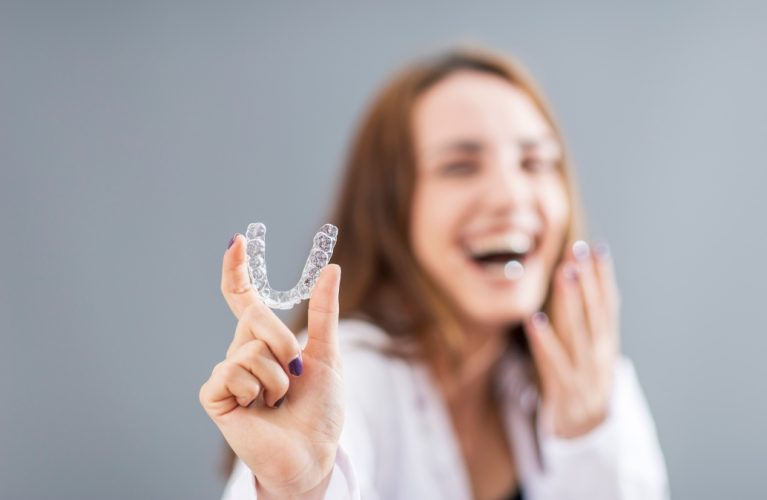
You had braces as a teenager. You wore your retainer diligently for months, maybe even years. Yet here you are, noticing that your once-perfectly-straight teeth have gradually shifted back out of alignment. If this sounds familiar, you’re not alone. At Dental Care Center at Kennestone, Dr. Angela Ojibway and Dr. Sarah Buffington see many adult patients who need orthodontic treatment for the second time – and they understand exactly why it happens and how to fix it.
The good news? Modern orthodontic solutions like Invisalign make correcting shifted teeth easier, more comfortable, and far more discreet than traditional braces. You don’t have to accept a smile that’s less than what you deserve, and you certainly don’t have to go through the experience of metal brackets and wires again.
The Reality of Orthodontic Relapse
Orthodontic relapse – the technical term for teeth shifting back toward their original positions after treatment – affects a significant percentage of people who had braces during their youth. Your teeth aren’t permanently fixed in place after orthodontic treatment. In fact, teeth naturally tend to drift throughout your lifetime, influenced by multiple factors that have nothing to do with how diligently you wore your retainer decades ago.
Understanding why relapse happens helps you realize that needing orthodontics again doesn’t mean your first treatment failed or that you did something wrong. Your teeth exist in a dynamic environment where constant forces work to move them, and sometimes those forces eventually win.
Why Your Teeth Shifted: Common Causes of Adult Relapse
Several factors contribute to teeth shifting back out of alignment, even years after successful orthodontic treatment:
- Retainer Compliance Issues: The most obvious cause is not wearing your retainer as directed. Life gets busy, retainers get lost or broken, and what was supposed to be a nightly habit fades away. Without that consistent retention, teeth begin their gradual shift back
- Natural Aging Process: Your mouth changes as you age. Bone density decreases, gum tissue recedes slightly, and the ligaments holding teeth in place naturally loosen over time. These changes can allow teeth to drift, particularly if you’re not wearing a retainer
- Wisdom Teeth Eruption: Third molars coming in during your late teens or twenties can create pressure that pushes other teeth forward, causing crowding in the front of your mouth. This is why many people notice shifting in their late twenties or thirties
- Jaw Growth Completion: Your jaw doesn’t finish growing until your early twenties. If you completed orthodontic treatment before your jaw stopped developing, continued growth can affect how your teeth fit together
- Teeth Grinding and Clenching: Bruxism places enormous pressure on teeth, gradually shifting them over time. Many people don’t even realize they grind their teeth, especially if it happens during sleep
- Periodontal Disease: Gum disease weakens the supporting structures around teeth, making them more susceptible to movement. If you’ve experienced gum problems as an adult, it may have contributed to orthodontic relapse
- Tooth Loss: Losing even one tooth creates a gap that neighboring teeth will gradually drift toward, throwing off your entire bite alignment
Why Correction Matters Beyond Aesthetics
While many adults seek orthodontic retreatment because they’re unhappy with their smile appearance, the benefits of straight teeth extend far beyond cosmetics. Properly aligned teeth are easier to clean effectively, reducing your risk of cavities and gum disease. When you can thoroughly brush and floss between straight teeth, you remove plaque more efficiently than when teeth are crowded or rotated.
Misaligned teeth also affect your bite, potentially leading to uneven wear patterns that damage tooth enamel over time. Some teeth may bear excessive force during chewing, while others don’t make proper contact. This imbalance can lead to sensitivity, chips, cracks, and premature tooth wear that requires restorative dentistry to repair.
Bite misalignment often contributes to TMJ disorders and jaw pain. When your teeth don’t fit together correctly, your jaw muscles work harder to compensate, potentially leading to tension, headaches, and temporomandibular joint dysfunction. Dr. Buffington has extensive experience treating TMJ issues at Dental Care Center at Kennestone and can evaluate whether your bite alignment is contributing to jaw discomfort.
Why Invisalign Is the Preferred Adult Orthodontic Solution
When it comes to orthodontic retreatment for adults, Invisalign has revolutionized the experience. Both Dr. Ojibway and Dr. Buffington are Invisalign-certified providers, offering this advanced clear aligner system to adult and teen patients who want to straighten their teeth without the discomfort and visibility of traditional braces.
Invisalign works using the same fundamental principles as braces – applying consistent, gentle pressure to guide teeth into proper alignment. However, instead of metal brackets bonded to your teeth and connected by wires, Invisalign uses a series of clear, custom-made plastic aligners that fit snugly over your teeth.
The process begins with digital impressions of your teeth, eliminating the need for uncomfortable traditional molds. Using advanced 3D imaging technology, the team at Dental Care Center at Kennestone creates a customized treatment plan showing exactly how your teeth will move throughout treatment. You’ll even see a preview of your final results before you start.
The Invisalign Advantage for Busy Adults
Professional adults choose Invisalign for orthodontic retreatment for compelling reasons that traditional braces simply can’t match. The clear aligners are virtually invisible when worn, meaning colleagues, clients, and friends likely won’t even notice you’re undergoing orthodontic treatment. This discretion matters tremendously for adults who attend business meetings, give presentations, or work in professional environments where appearance impacts credibility.
The removable nature of Invisalign aligners offers flexibility that fixed braces can’t provide. You can remove your aligners for important meetings, special occasions, or photos, then replace them immediately afterward. This feature also makes eating infinitely easier – you simply remove your aligners before meals, eat whatever you want without restrictions, then brush your teeth and replace the aligners.
Oral hygiene remains straightforward with Invisalign because you remove the aligners to brush and floss normally. There are no brackets to navigate around, no wires to floss under, and no special tools required. This ease of cleaning helps you maintain excellent oral health throughout treatment, reducing the risk of cavities or gum problems that can complicate orthodontic treatment.
Comfort and Convenience Throughout Treatment
Comfort is another significant advantage of Invisalign over traditional braces. The smooth plastic aligners don’t have sharp brackets or wires that can poke your lips, cheeks, or tongue. There are no emergency visits for broken brackets or poking wires – issues that can be particularly disruptive for adults with demanding work schedules.
Invisalign typically requires fewer office visits than traditional braces. While treatment with metal braces often involves monthly adjustment appointments, Invisalign patients may only need to visit every 6-8 weeks for progress checks. Many adults appreciate this reduced time commitment, especially when balancing careers and family responsibilities.
Each set of aligners is worn for about one to two weeks before progressing to the next set in the series. The gradual progression means you experience minimal discomfort as teeth shift. Most patients report that any pressure or sensitivity is mild and subsides within a day or two of switching to new aligners.
What to Expect During Invisalign Treatment
Your Invisalign journey at Dental Care Center at Kennestone begins with a comprehensive orthodontic consultation. Dr. Ojibway or Dr. Buffington will examine your teeth, discuss your concerns and goals, and determine whether Invisalign is the right solution for your specific situation. Most cases of orthodontic relapse respond excellently to Invisalign treatment.
Using digital scanning technology, detailed images of your teeth are captured and sent to Invisalign’s lab where your custom aligners are fabricated. Within a few weeks, your first sets of aligners arrive at the practice. You’ll receive several sets at once, along with detailed instructions on how long to wear each set and when to progress to the next.
For optimal results, aligners should be worn 20-22 hours per day, removing them only for eating, drinking anything other than water, and oral hygiene. This consistent wear time ensures teeth move according to the treatment plan. Most adults find that the aligners quickly become part of their daily routine.
Treatment duration varies depending on the extent of movement needed, but many cases of orthodontic relapse can be corrected in 12-18 months. Some minor corrections take even less time. During your consultation, your dentist will provide an estimated timeline specific to your situation.
Preventing Relapse After Your Second Treatment
Once you’ve invested time and money into Invisalign treatment to correct shifted teeth, protecting those results becomes paramount. The key to maintaining your newly straightened smile is consistent retainer wear. At Dental Care Center at Kennestone, your treatment plan includes retention strategies to ensure your teeth stay in their corrected positions.
Modern retainers are far more comfortable and discreet than those you might remember from your teenage years. Many adults wear clear retainers similar in appearance to Invisalign aligners, making nighttime wear virtually unnoticeable. Some patients prefer fixed retainers bonded to the back of their teeth for permanent retention that requires zero daily compliance.
Your dentist will recommend a retention schedule based on your specific case, but most adults benefit from nightly retainer wear indefinitely. Think of it like wearing a seatbelt – it’s a simple habit that protects your investment and prevents problems down the road.
Addressing TMJ and Bite Issues
For some adults, orthodontic relapse has contributed to bite problems that cause jaw pain, headaches, or TMJ dysfunction. Dr. Buffington has particular expertise in TMJ treatment and can develop a comprehensive plan that addresses both your alignment concerns and jaw discomfort.
Invisalign treatment can improve bite relationships, often alleviating TMJ symptoms as teeth move into proper alignment. Some patients also benefit from wearing a custom night guard after treatment to prevent teeth grinding that might otherwise shift teeth or exacerbate jaw problems.
The Confidence Factor: How Your Smile Affects Your Life
Beyond the functional and health benefits, the psychological impact of a straight smile shouldn’t be underestimated. Many adult patients report that they’ve spent years hiding their smile in photos, covering their mouth when laughing, or feeling self-conscious during professional interactions. These habits affect confidence and how you present yourself to the world.
Correcting orthodontic relapse with Invisalign allows adults to reclaim the confidence they felt when their braces first came off years ago. Patients consistently report feeling more comfortable smiling freely, more confident during presentations and meetings, and happier with their appearance in photos and videos.
Financial Considerations and Insurance Coverage
Cost is an understandable concern when considering orthodontic retreatment. The good news is that many dental insurance plans provide some orthodontic coverage for adults, not just children. The team at Dental Care Center at Kennestone works with most major dental insurance plans and will help you understand your benefits.
For costs not covered by insurance, the practice offers convenient payment plans through CareCredit and other financing options. These plans allow you to spread the investment over manageable monthly payments, making treatment accessible without requiring the full amount upfront. During your consultation, the friendly staff will provide a detailed cost estimate and discuss all available payment options.
Take the First Step in Marietta
If you’re one of the many adults frustrated by teeth that have shifted since your teenage orthodontic treatment, you don’t have to continue living with a smile you’re unhappy about. Invisalign offers a proven, comfortable, and discreet solution that fits seamlessly into your adult lifestyle.
Dr. Angela Ojibway and Dr. Sarah Buffington bring extensive experience in Invisalign treatment to their practice at Dental Care Center at Kennestone. Both are Invisalign-certified providers committed to helping adult patients achieve the straight, healthy smiles they deserve. The practice has earned recognition as a Top Patient-Rated Marietta Dentist for multiple years, reflecting the team’s dedication to exceptional care and patient satisfaction.
Located conveniently in Marietta, Dental Care Center at Kennestone serves patients throughout the surrounding communities including Kennesaw and Sandy Plains. The practice offers flexible scheduling, including early morning appointments to accommodate busy professionals.
Don’t let another year pass being unhappy with your smile. Contact Dental Care Center at Kennestone today to schedule your Invisalign consultation. During this appointment, you’ll discover exactly how Invisalign can correct your orthodontic relapse, see a preview of your potential results, and get all your questions answered about treatment timeline and investment. Your journey back to a confident, straight smile starts with a single phone call to (770) 424-4565.
Posted on behalf of Dental Care Center at Kennestone